

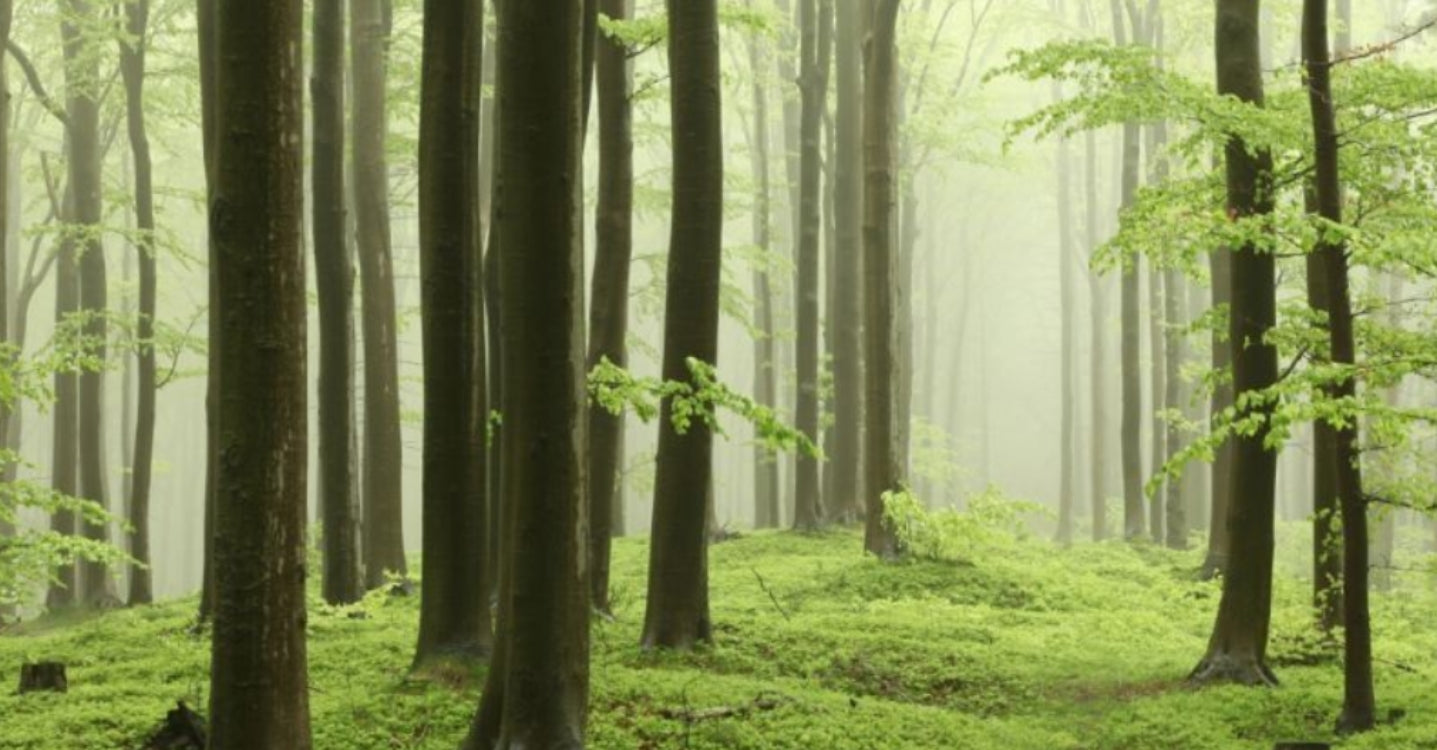
If there’s a common core to all our work, it is our appreciation for the beauty and versatility of North American hardwood. Since the beginning, we have been committed to using the finest materials available. The raw materials we work with are an essential element to our furniture-making success, and as woodworkers, our materials are inseparable from the environment.
Wood is a natural and noble material. One that is minimally processed from start to finish, and the color, figure, and texture cannot be replicated by artificial means. The trees we use for our furniture have a life of their own. Each board is the product of the tree’s environment—the soil, light, mineral content, and environmental stressors contribute to the wood's distinctive look and design.
At Thos. Moser, we could tout our commitment to sustainability- but from our perspective, the definition falls short of what the concept means to us. Sustainability isn’t just a word, after all. It’s an ethos. It is our homage to the beauty and strength of the wood we use and the makers who transform it.

“Sustainability means building for a lifetime – or longer. It means the survival of techniques learned through centuries of craftsmanship. And it means a livelihood for the people who keep that craftsmanship alive.”
– David Moser, Thos. Moser Designer
We have dedicated decades to assessing the nature of American hardwoods by running our fingers along the grain and breathing in the bright, tangy scent of newly sawn boards. There is no substitute for wood from mature trees, and we go to great lengths to ensure access to the highest-quality hardwoods that meet the needs of both current and future generations.
Where clear-cutting was once seen as a birthright, silviculture, which is the art and science of conservation and sound forest management, dictates modern-day harvesting practices. These practices control growth and health while protecting vital wildlife habitats and water resources. In forests where clear-cutting or high-grade cutting takes place, the best trees are cut, leaving behind fewer healthy trees and creating a depleted ecosystem. In uninterrupted forests, trees become crowded and compete for resources, leaving them susceptible to disease, invasive species, and decaying trees releasing their sequestered carbon back into the atmosphere.

1. Clear-Cutting: Traditional large patch clearing that removes a large stand of living and dead wood from an area. 2. Seed Tree and Shelterwood Cutting: This style of cutting leaves approximately six to twelve trees per acre in such a way as to ensure adequate natural regeneration. 3. Sustainable Forestry Cycle: A cyclical harvesting style that allows for various ages of trees to grow concurrently while mature trees are harvested, making way for smaller saplings to grow in their place.
Through selective harvesting, the forest’s biodiversity flourishes, enhancing its ability to provide clean water, sequester carbon, and provide habitat while also improving its resistance to invasive species and climate change. This means silviculture-managed forests improve species and structural diversity, as trees of multiple ages and sizes increase habitat and resilience. This process facilitates natural regeneration, where seedlings take hold under existing trees. Walking among the lush ecosystem that produces such magnificent trees, one stares up through the 70-foot canopy of mature black cherry, absorbing the smell of the earth and choir of birdsong, gaining a deeper appreciation for this wood species and the land it comes from.


To grow, a tree absorbs carbon and releases oxygen. Any carbon that is not released is stored within the tree’s fibers. Wood contains 8% moisture, and carbon accounts for 50% of the total dry weight of wood. One Thos. Moser Continuous Arm Chair weighs 12 lbs and sequesters 5.52 lbs of carbon.
The trees we use to build our furniture are at least 80 years old. When a tree reaches maturity, it can absorb roughly 48 pounds of carbon annually. Through photosynthesis, carbon is sequestered within the tree’s fibers, storing it as mass and, eventually, wood products. Carbon is released from the tree by a physical change in the tree’s composition, either through fire or decomposition. Once a tree starts to decay, it relies on oxygen and releases carbon back into the atmosphere. While the amount of carbon sequestered varies by species, wood is roughly 50% carbon by dry weight. Harvesting a mature tree and creating furniture that will last as long, if not longer than the tree, fosters a positive environmental impact by trapping carbon for generations.
Our philosophy is to choose the best certified by the Forest Stewardship Council and to use them directly and respectfully. By doing so, we’re protecting one of the most resilient, diverse, and carbon-rich landscapes in the world. Since the 1950s, these forests have increased by 130%, and in Pennsylvania alone, sustainable harvesting practices have reclaimed twice as much forested land as a century ago.

Above: The Lolling Chair and Ottoman
When you invite a piece of solid wood furniture into your home, you’re celebrating the connection and harmony we find in nature. We find comfort in the synergy of craftsmanship and nature. By utilizing a respectful and sustainable harvesting process, we work to preserve the tree’s first home. Through mindful care and craft, it is then that we give the tree a second life with furniture that celebrates the beauty of the forests and rejuvenates its second home, your home, for generations.


